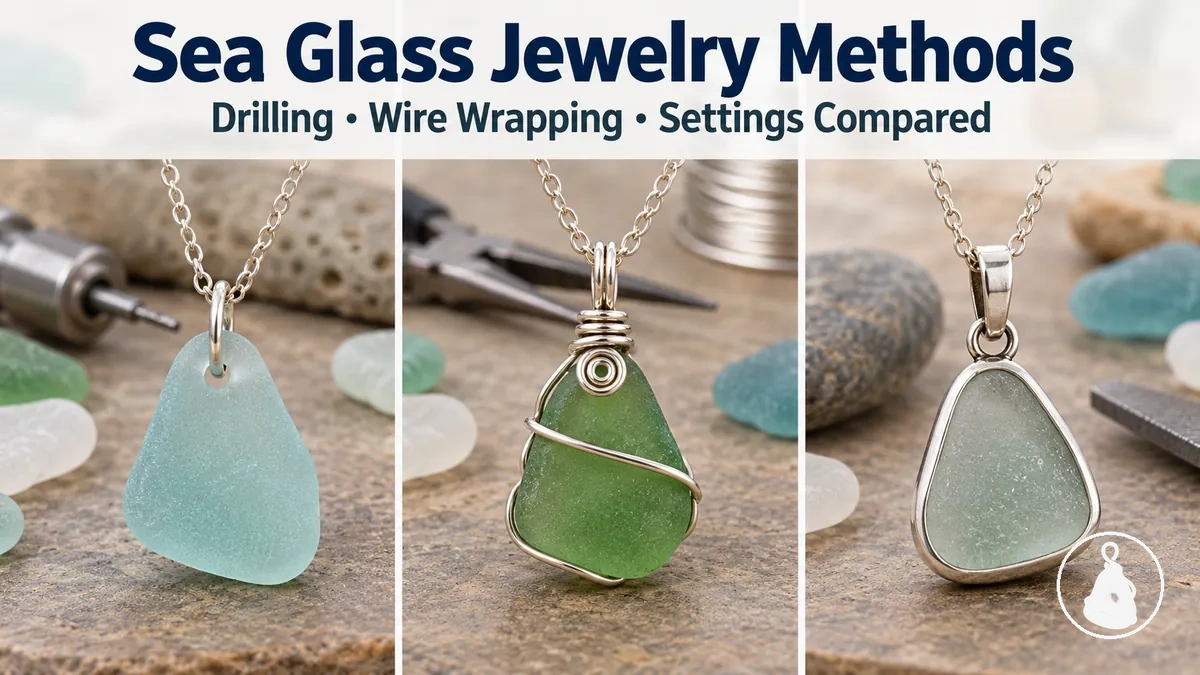
Choose a sea glass jewelry method by its retention mechanism and the alteration you will accept: drilling creates a permanent hole, wire wrapping holds the piece externally without drilling, bezel or claw settings retain the edges, and adhesive bails or caps bond hardware to the surface. No method is universally best; match the piece’s geometry and condition to the required fit, available tools and skill, desired edge protection, reversibility, and—when bonding—the adhesive system’s material and curing requirements.
Choose by retention method and piece constraints
Start with whether a permanent hole is acceptable. Then check whether the individual piece can physically support the method’s retention path, edge contact, or bonded contact area before considering tools and hardware.
Drilling
Holds by
A drilled hole used as the attachment point.
Best fit when
A permanent hole is acceptable and the glass condition, thickness and intended hole position are suitable.
Main trade-off
Irreversible glass alteration and breakage exposure while the hole is made.
Wire wrapping
Holds by
External wire crossing geometry that restrains movement.
Best fit when
No drilled hole is wanted and the piece supports a stable retaining path.
Main trade-off
Lower equipment burden can help, but secure retention still depends on wire control and piece geometry.
Bezel or claw setting
Holds by
Metal contact around the perimeter or at selected edge points.
Best fit when
The glass geometry matches the setting and stable edge contact can be formed.
Main trade-off
A bezel can provide broader edge coverage; claws provide more localised contact and protection.
Adhesive bail or cap
Holds by
A bonded interface between the sea glass and jewelry hardware.
Best fit when
Usable contact area and component fit are suitable for a material-compatible adhesive system.
Main trade-off
Bond reliability depends on surface condition, contact area, cure conditions and expected load.
Decision rule: eliminate any method the piece cannot physically support, then choose among the remaining options according to alteration, setup, protection and reversibility priorities.
The sections below explain how each retention mechanism works, then compare the same methods across alteration, fit, setup, security, protection and permanence.
Table of Contents⌄
How the Main Sea Glass Jewelry Methods Hold and Attach the Glass
The four main sea glass jewelry attachment methods differ by the physical relationship that keeps the glass in place. Their retention mechanisms are hole-based, external-retention, edge-retention and bonded.
Four retention mechanisms at a glance
Drilling
Hole-based: a drilled opening becomes the attachment point and remains in the glass.
Wire wrapping
External retention: wire surrounds and crosses the piece so its geometry restrains movement.
Bezel / claws
Edge retention: a bezel contacts much of the perimeter; claws retain at selected edge points.
Adhesive bail / cap
Bonded retention: hardware is joined to the glass across a contact area.
The clearest first split is drilled versus no-drill retention. Avoiding a drilled hole prevents that specific irreversible alteration, but wire contact, setting pressure and bonded hardware can still affect the glass surface or edges.
Security and protection therefore follow the actual retention geometry, fit and bond conditions; no-drill methods should not be treated as equally secure, equally protective or equally reversible for every piece.
Drilling Creates a Permanent Attachment Point in the Glass
Drilling creates a hole through sea glass that can receive a jewelry finding and serve as a defined attachment point. The drilled hole is an irreversible alteration even if the finding is later removed or replaced.
Check the piece before drilling
Thickness: the intended opening must leave enough surrounding glass for the piece’s geometry; one universal thickness cutoff should not be assumed.
Hole position: placement changes how much material remains between the opening and the nearest edge.
Glass condition: existing chips, cracks or weakened areas can increase exposure to fracture during hole making.
The attachment hardware can be changed later, but changing the finding does not reverse the hole. That separates hardware reversibility from glass reversibility.
Wire Wrapping Secures Sea Glass Without Drilling
Wire wrapping retains sea glass by bending wire around the outside of the piece, so the attachment can be made without drilling a hole. The mechanical hold comes from a wire path that contacts geometry capable of restraining the glass from slipping out.
When wire wrapping fits the piece
Good fit when
The piece provides a stable route for external retention.
A no-drill approach is preferred.
Hand-tool access is more practical than drilling or metal-setting equipment.
Watch for
A loose wire path that permits movement.
A path aligned with an edge or contour that lets the piece escape.
Assuming fewer tools automatically means easier or more secure execution.
Wire wrapping can reduce setup burden, but retention stability still depends on piece geometry and wire control; the absence of drilling is not a guarantee of secure retention.
Bezel and Claw Settings Secure Sea Glass Around Its Edges
Bezel and claw settings secure sea glass through metal contact at its edges rather than through a drilled hole. The two setting types differ mainly in how much of the edge they contact.
Bezel versus claw retention
Bezel setting
Contact
Perimeter contact around much of the outline.
Fit requirement
The setting must follow the piece closely enough for stable edge retention.
Protection
Can provide broader coverage of the contacted edge.
Claw setting
Contact
Discrete points at selected edge locations.
Fit requirement
The piece must provide stable locations where claws can retain it.
Protection
Coverage is concentrated at the claw contact points.
Outline, thickness, curvature and edge profile can all change setting fit. Irregularity does not automatically rule out a setting, but the glass should not be forced into a geometry that cannot establish stable contact.
Adhesive Bails and Caps Create a Bonded Attachment
An adhesive bail or cap creates a bonded attachment by joining jewelry hardware directly to the sea glass surface. The bond interface is the physical connection, while the bail or cap provides the loop or hardware connection used by the jewelry.
Bond reliability depends on the whole interface
Surface condition of the sea glass and hardware at the contact area.
Material compatibility between the adhesive and the joined materials.
Usable contact area and how closely the bail or cap fits the piece.
Curing conditions required by the specific adhesive system.
Expected load on the finished attachment.
Do not transfer one adhesive’s strength or cure requirement to another. Those values are product- and material-specific, so the adhesive manufacturer’s instructions should govern preparation, curing and load limitations.
Here, adhesive attachment means bonding jewelry hardware such as a bail or cap to sea glass, not general decorative glass craft bonding.
How Sea Glass Jewelry Methods Compare Across the Main Decision Factors
Compare sea glass jewelry methods through the same decision factors: glass alteration, piece fit, setup and skill burden, attachment security, edge protection and reversibility. A method that performs well for one priority can be a poor fit for another.
Method-by-method comparison
Method
Glass alteration
Piece fit
Setup and skill burden
Attachment security
Edge protection
Reversibility
Drilling
Creates an irreversible hole in the glass
Suitability changes with thickness, hole position, and glass condition; unsuitable geometry or damaged glass increases the risk of failure during drilling
Requires drilling equipment and sufficient skill level to control the hole-making process without cracking the piece
Uses the drilled hole as a defined attachment point; security also depends on the surrounding glass condition and the attached finding
Provides little perimeter coverage because retention is concentrated at the drilled attachment point
The finding can be changed, but the glass alteration remains
Wire wrapping
Retains the glass without creating a drilled hole
Suitability improves when the piece geometry provides a stable path that restrains the glass from slipping from the wrap
Can use hand tools with less equipment than drilling or metal setting, although forming a stable retaining path still requires wire-control skill
Security depends on the external wire path remaining tight and positioned across geometry that restrains movement
Provides local wire contact rather than continuous protective coverage around the edge
The wire can be unwrapped or changed without leaving a drilled hole, although surface effects depend on the wire contact and handling
Bezel/claw setting
Can retain the glass without creating a drilled hole
Requires compatible glass geometry and setting fit: a bezel follows the perimeter, while claws require suitable discrete edge-contact locations
Requires setting skill and, depending on the setting construction, metalworking setup beyond simple hand-tool wrapping
Security depends on close perimeter retention for a bezel or stable point contact for claws
A bezel can cover more of the perimeter, while claws provide protective coverage mainly at their discrete contact points
The glass remains undrilled, but removability depends on how the setting is constructed and whether it can be opened without damaging the piece
Adhesive bail/cap
Leaves the glass undrilled while creating a bonded attachment at the hardware contact area
Requires suitable component fit and sufficient contact area between the sea glass and hardware for the chosen adhesive system
Setup burden depends on the adhesive system, joined materials, surface condition, and required curing conditions
Bond reliability depends on surface condition, material compatibility, contact area, component fit, curing conditions, and expected load
Protective coverage is concentrated around the hardware contact area rather than around the full edge
Removability depends on the adhesive system and joined materials, so it should not be assumed from the attachment type alone
If preserving an unmodified piece is the priority, wire wrapping, a compatible setting or a bonded attachment avoids the irreversible drilled hole; each still has its own geometry, fit, skill or bond requirements. If broader edge coverage is the priority, a compatible bezel becomes more relevant than methods that contact only a hole, wire path, claw points or bonded hardware area.
Changing the priority can change the preferred method. Use the comparison as a filter for the individual piece rather than as a universal ranking.
Glass Alteration, Breakage Risk and Reversibility
Glass alteration, attachment failure and reversibility are related but different questions. Drilling creates an irreversible hole; no-drill methods avoid that specific change but can still apply contact, pressure or bonding to the piece.
Keep these three outcomes separate
Glass alteration
Whether the method permanently changes the sea glass itself. A drilled hole remains after hardware is removed.
Attachment failure
Whether the retention mechanism can loosen, slip, open or lose its bond. Failure can occur even when the glass is undrilled.
Reversibility
Whether the attachment can be released without causing further alteration. This depends on the specific wire, setting or adhesive configuration.
No drilling does not mean no risk. External retention can introduce contact or pressure, and bonded hardware can change the contacted surface or be difficult to remove depending on the adhesive system and joined materials.
For drilling, breakage exposure while making the hole depends on glass condition, thickness, hole position and process control rather than a universal breakage probability.
Sea Glass Shape, Thickness and Surface Fit
Sea glass shape, thickness, flatness, edge accessibility and usable contact area determine whether a retention mechanism can physically fit the piece. There is no single universally suitable shape or thickness across all four methods.
Piece attribute → method-fit effect
Outline and edge accessibility
Affects whether a bezel can follow the perimeter, claws can find stable contact points, or wire can form a retaining path.
Thickness
Changes the geometry around a drilled opening and can constrain how a setting contacts and retains the piece.
Flatness
Affects how closely the glass can meet a backplate or bonding component.
Usable contact area
Determines whether bonded hardware has enough well-fitting surface for the chosen adhesive system and expected load.
A flatter, regular piece can make some settings or bonded hardware easier to match, while an irregular piece may still work with claws or wire when stable contact or a retaining path exists. Geometry should be tested against the chosen retention mechanism, not used as a shortcut to a method.
Tools, Skill Level and Setup Requirements
Setup burden comes from the type of equipment, workspace and execution skill a method requires—not simply from the number of tools on the bench.
Primary setup and skill focus
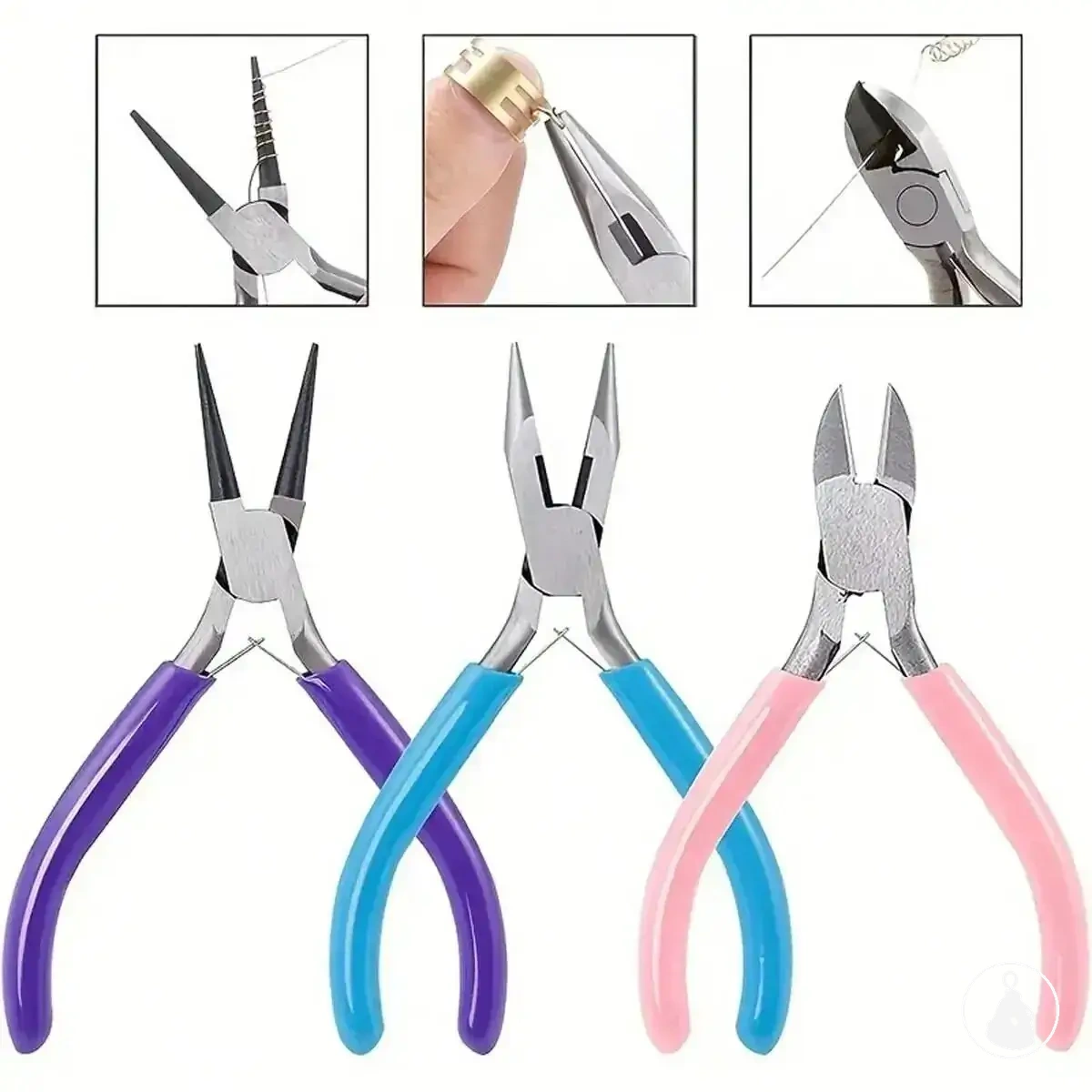
Wire wrapping
Mainly hand tools and a compact workspace; the critical skill is forming a stable wire path and controlling tension without relying on the glass to compensate for a loose wrap.
Drilling
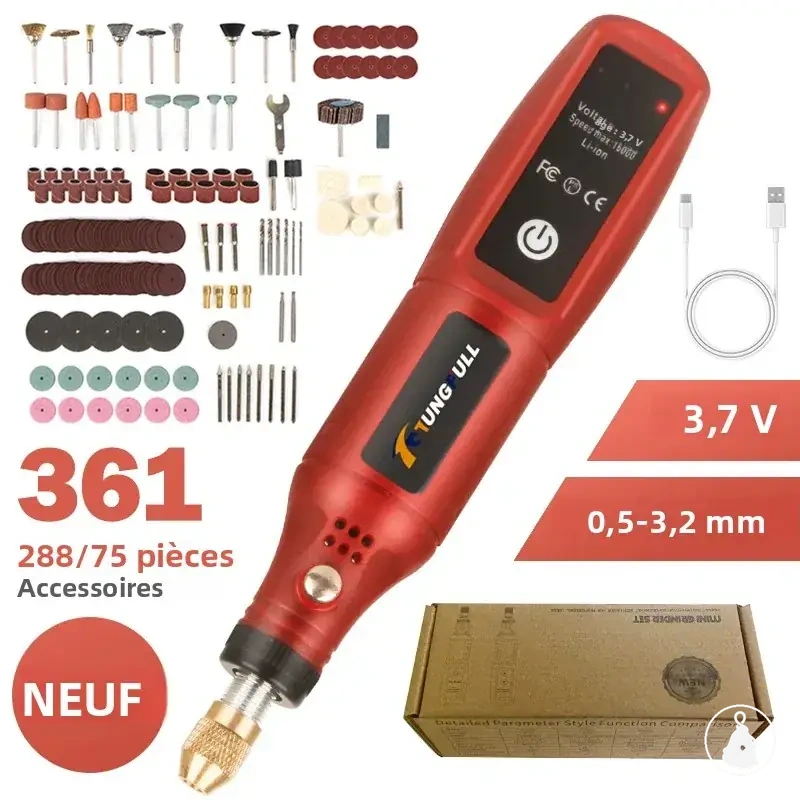
Requires drilling equipment plus sufficient process control to create the opening without cracking the piece.
Bezel / claw setting
Requires setting skill and, depending on construction, can involve a more developed metalworking setup than simple hand-tool wrapping.
Adhesive bail / cap
Shifts the setup toward surface preparation, material compatibility, component fit and the curing conditions specified for the adhesive system.
Equipment burden and execution difficulty are separate criteria. Fewer tool categories can reduce setup, but they do not guarantee easier execution or a more secure result.
Attachment Security, Protection and Permanence
Attachment security, edge protection and permanence describe different outcomes. A secure attachment does not automatically provide broad edge protection, and neither security nor protection alone establishes how reversible the attachment will be.
Three decision attributes, three different meanings
Attachment security
Whether the retention mechanism maintains effective contact and fit so the sea glass stays captured.
Edge protection
How much of the edge is physically covered or supported. A bezel can cover more perimeter than claws or local attachment points.
Permanence
How lasting the glass alteration or attachment is. A drilled hole is permanent; practical bond permanence depends on the adhesive system and interface conditions.
For bonded hardware, reliability depends on usable contact area, component fit, surface condition, material compatibility, curing conditions and expected load. For mechanical retention, evaluate whether the geometry and contact points actually restrain movement. Appearance alone is not a reliable proxy for any of these attributes.
Choosing the Best Sea Glass Jewelry Method for the Piece and Making Constraints
The best-fitting method depends on the individual sea glass piece and the maker’s constraints. Preservation can favour a no-drill approach; limited equipment can make wire wrapping more practical; broader edge coverage can make a compatible bezel more relevant; and drilling remains an option when an irreversible hole is acceptable and the piece is suitable for the intended hole position.
Choose the method whose retention mechanism the piece can physically support, then apply the maker’s priorities for setup, skill, edge protection and reversibility. The same method should not be treated as best for every piece.
Before comparing tools, findings or adhesive products
Confirm that the method already fits the sea glass piece: hole position, wire path, edge contact or bonded contact area as applicable.
Check that hardware dimensions and geometry match the individual piece rather than assuming a standard finding will fit.
Match the tool or finding to the chosen method and the maker’s available skill and workspace.
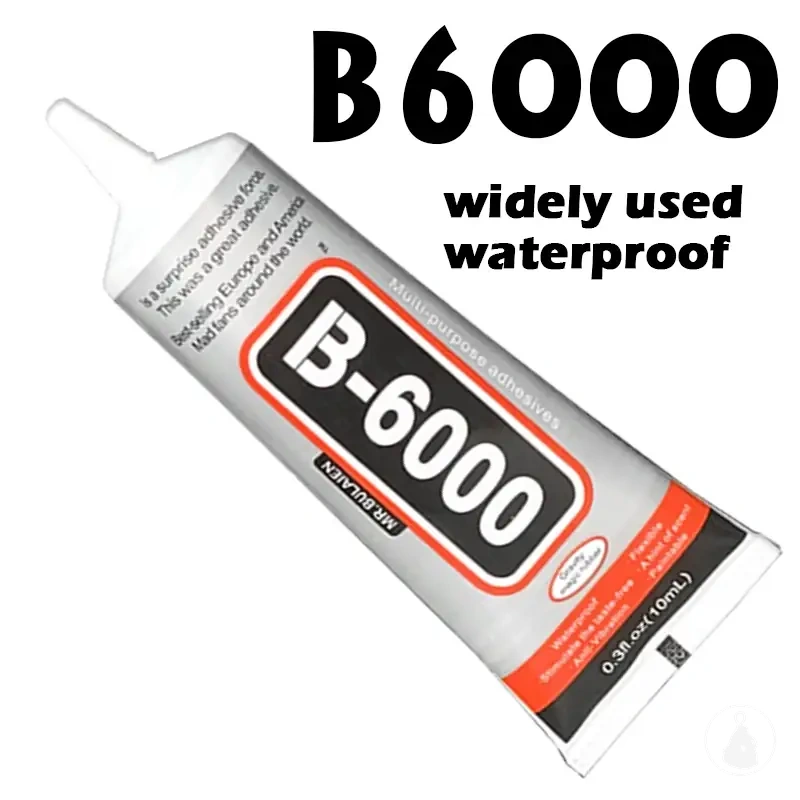
For adhesive attachment, verify the manufacturer’s material compatibility, preparation, curing and load instructions for the exact product.
Use the product listing to confirm included items, dimensions and variant details before choosing a product.
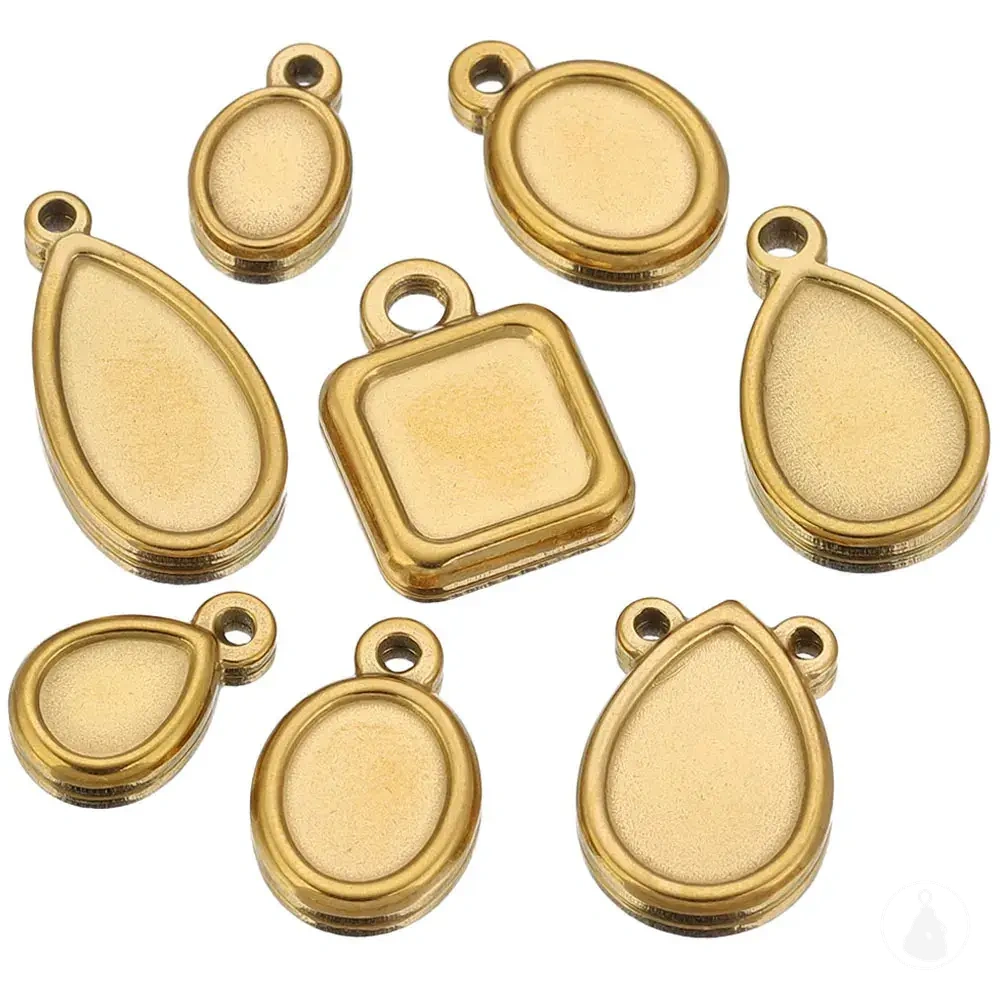
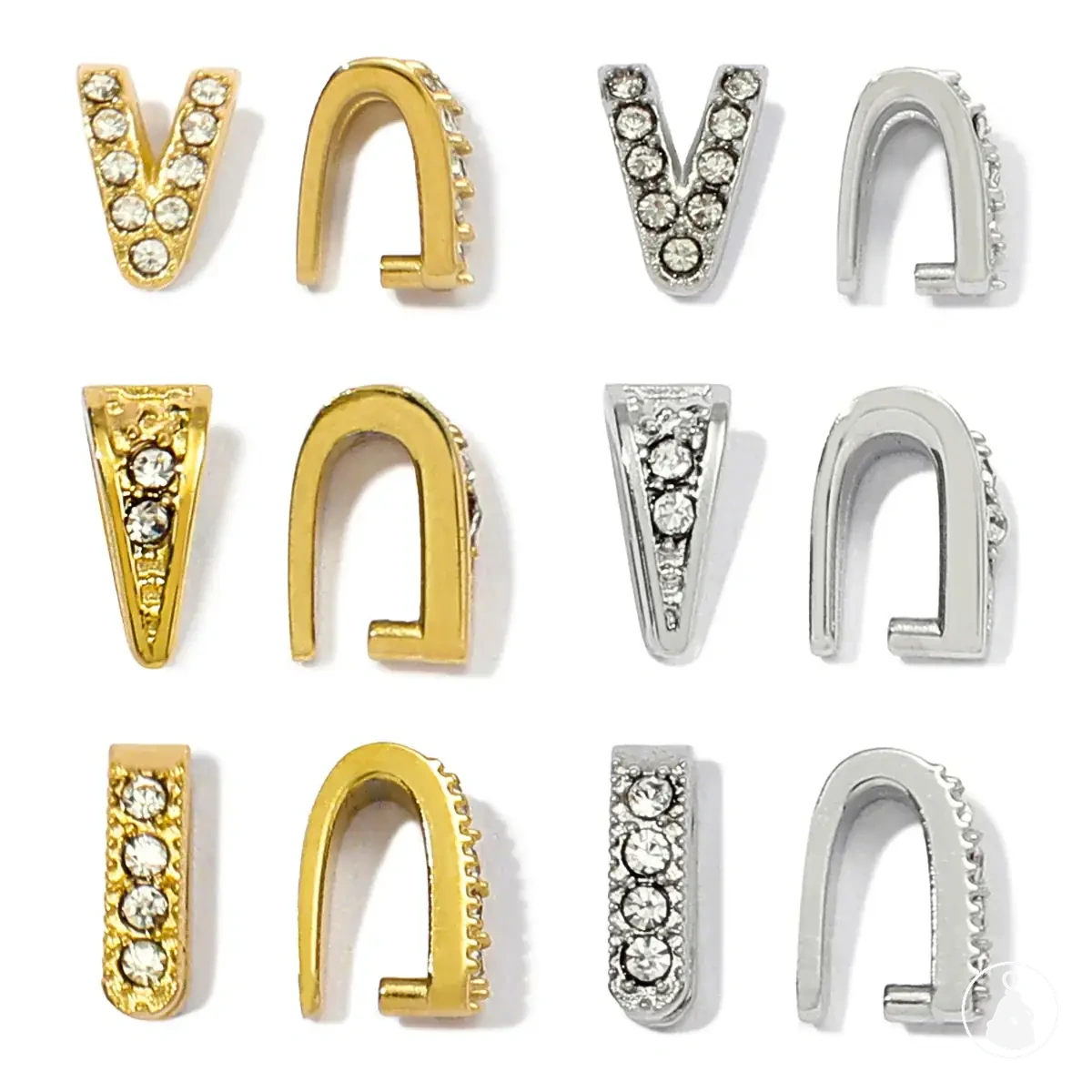
The products below are examples of tool and hardware categories related to the methods in this guide; they are not substitutes for establishing method fit first.
Before buying, check the product details against the piece, the selected attachment method and any manufacturer-specific instructions.